Người nhiều lòng tham giống như cầm đuốc đi ngược gió, thế nào cũng bị lửa táp vào tay. Kinh Bốn mươi hai chương
Người ngu nghĩ mình ngu, nhờ vậy thành có trí. Người ngu tưởng có trí, thật xứng gọi chí ngu.Kinh Pháp cú (Kệ số 63)
Hạnh phúc đích thực không quá đắt, nhưng chúng ta phải trả giá quá nhiều cho những thứ ta lầm tưởng là hạnh phúc. (Real happiness is cheap enough, yet how dearly we pay for its counterfeit.)Hosea Ballou
Tôi không hóa giải các bất ổn mà hóa giải cách suy nghĩ của mình. Sau đó, các bất ổn sẽ tự chúng được hóa giải. (I do not fix problems. I fix my thinking. Then problems fix themselves.)Louise Hay
Giữ tâm thanh tịnh, ý chí vững bền thì có thể hiểu thấu lẽ đạo, như lau chùi tấm gương sạch hết dơ bẩn, tự nhiên được sáng trong.Kinh Bốn mươi hai chương
Bạn có thể trì hoãn, nhưng thời gian thì không. (You may delay, but time will not.)Benjamin Franklin
Người ta vì ái dục sinh ra lo nghĩ; vì lo nghĩ sinh ra sợ sệt. Nếu lìa khỏi ái dục thì còn chi phải lo, còn chi phải sợ?Kinh Bốn mươi hai chương
Người nhiều lòng tham giống như cầm đuốc đi ngược gió, thế nào cũng bị lửa táp vào tay. Kinh Bốn mươi hai chương
Khi gặp chướng ngại ta có thể thay đổi phương cách để đạt mục tiêu nhưng đừng thay đổi quyết tâm đạt đến mục tiêu ấy. (When obstacles arise, you change your direction to reach your goal, you do not change your decision to get there. )Zig Ziglar
Như bông hoa tươi đẹp, có sắc nhưng không hương. Cũng vậy, lời khéo nói, không làm, không kết quả.Kinh Pháp cú (Kệ số 51)
Hãy làm một người biết chăm sóc tốt hạt giống yêu thương trong tâm hồn mình, và những hoa trái của lòng yêu thương sẽ mang lại cho bạn vô vàn niềm vui và hạnh phúc.Tủ sách Rộng Mở Tâm Hồn
 Trang chủ
Trang chủ »» Danh mục »» TỦ SÁCH RỘNG MỞ TÂM HỒN »» Nhật Bản: Những Ngôi Chùa Cổ Tích »» Xem đối chiếu Anh Việt: Nhật Bản: Những Ngôi Chùa Cổ Tích »»
 Xem Mục lục


Đất nước Nhật Bản đẹp hơn những gì chúng ta có thể nghĩ tới, nhớ tới, hình dung tới. Đó là những gì tôi cảm nhận trong chuyến đi 10 ngày -- nơi đó được hướng dẫn đi thăm sáu ngôi chùa Phật giáo nổi tiếng và bốn ngôi đền Thần đạo, hầu hết đã vào danh sách Di Sản Văn Hóa Thế Giới UNESCO. Những kiểng chùa đẹp như cổ tích, như phim ảnh, với rất nhiều màu sắc của một mùa hoa anh đào nở. Cảnh vườn đẹp, hồ đẹp, kiểng chùa đẹp, hoa và vườn tre trồng đều rất nghệ thuật.
Ký ức của tôi về Nhật Bản thời thơ ấu tới giờ là những trang thơ Thiền, nơi đó tôi làm quen với quý ngài Dogen, Basho qua ngôn ngữ thi ca. Điểm kỳ lạ: Thiền Tông và thi ca rất là gần nhau. Cũng như Đức Phật trong những năm đầu thuyết pháp, trong những bản kinh xưa cổ nhất, khi kinh chưa có nhóm chữ khởi đầu “Như vầy tôi nghe” của Ngài Anan, gần như hoàn toàn là thơ, như Kinh Tập, như Kinh Pháp Cú. Có vẻ như, về sau, khi phải nói dài dòng, và khi đã có Ngài Anan vào, Đức Phật mới ít dùng thi ca. Tôi không hiểu vì sao tất cả những chuyện như thế.
Trong tâm trí tôi hình dung về một đất nước Nhật Bản là những dòng thơ Thiền rất mực thơ mộng và kiệm lời. Và nêu lên được cái nhìn về thực tướng vô thường, vô ngã.
Thí dụ, thơ của Ryokan (1758-1831):
Gió đã lặng, hoa đã rơi;
Chim hót, núi sẫm màu rồi –
Đây là sức mạnh tuyệt vời của Đạo Phật.
.
Hay thơ của Basho (1644-1694):
Không có gì trong tiếng kêu
của ve sầu cho thấy
chúng sắp từ trần.
.
Hay thơ của Ikkyu (1394–1481):
Có một chút ngưng khoảnh khắc
Nếu trời mưa, hãy mặc trời mưa
Nếu gió thổi, hãy để gió thổi.
.
Tuy nhiên, vào chùa, muốn tới gần chánh điện là phải mua vé, và không được gặp một nhà sư Nhật Bản nào. Bởi vì, tu viện không đặt ở nơi đông du khách. Vấn đề là, đẹp thì có đẹp, nhưng cái đẹp đầy màu sắc được nhìn thấy không giống như những gì người học Phật thường nghĩ về một Phật giáo Nhật Bản, nơi có nhiều dòng Thiền nổi tiếng đã truyền sang phương Tây và Hoa Kỳ.
Một điểm nhận ra rằng, các ngôi chùa nổi tiếng của Nhật Bản đã trở thành những trung tâm du lịch, thu hút du khách tới đông tới chen chúc, và chung quanh chùa, những con đường ven núi đầy các hàng quán, xe cộ -- nghĩa là, một ngôi chùa như thế sẽ nuôi sống được cả một thị trấn dưới chân núi. Cái đẹp này không còn là cái đẹp trên những dòng thi ca.
Ngay cả khi tôi tới thăm Chùa Thiên Long Tự, tổ đình Lâm Tế Tông Nhật Bản, ấn tượng lưu giữ trong ký ức là một tấm bảng giải thích nơi cổng vào, một tấm tranh khổng lồ hình Ngài Bồ Đề Đạt Ma, những vườn hoa phía sau chùa, nơi ven núi và một lối đi trong rừng tre phía sau. Nơi đây, hễ vào chánh điện là phải mua vé. Không có hình ảnh một nhà sư chống gậy nhìn tuyết hay ngó trăng… như trong thơ.
Chuyện không thơ tí nào: Rất nhiều nhà sư Nhật Bản hiện nay được phép lấy vợ, uống rượu. Tuy vẫn còn một số tu viện và các tăng ni tu theo truyền thống nghiêm ngặt, nhưng không có thống kê nào có thể dựa vào chính xác về số lượng tu sĩ truyền thống. Những gì chúng ta đọc ngày xưa, không còn chính xác về Phật giáo Nhật Bản, chỉ trừ hình ảnh các ngôi chùa đẹp y hệt cổ tích.
Một lý luận nêu ra từ các vị sư Nhật Bản sống như kiểu – không gọi được là tu sĩ, không gọi được là cư sĩ – vì đó là hạnh tu Bồ Tát.
Một bài thơ nổi tiếng của một nhà sư Nhật Bản làm khoảng năm 1980 được in lại trong hai tác phẩm: --- “Religion in Japan: Unity and Diversity” của tác giả H. Byron Earhart, nơi trang 269, và sách --- “Japanese Temple Buddhism: Worldliness in a Religion of Renunciation” của tác giả Stephen Grover Covell, nơi trang 62-63, trích dịch như sau:
Tôi là một tăng sĩ
Mặc pháp phục, tay trái tôi cầm xâu chuỗi, tôi đi xe đạp
Tôi đi từ từng nhà Phật tử trong khu vực và tụng kinh.
Tôi là một tăng sĩ
Tôi có một vợ, tôi có một con
Tôi uống rượu sake, tôi ăn thịt
Tôi ăn cá, tôi nói dối
Dù vậy, tôi là tăng sĩ…
… Tôi đi trên đường của Bồ tát.
Nghĩa là, hoàn toàn không giống gì với thơ Thiền ngày xưa của Nhật Bản. Không phải các sư không biết kinh điển. Nên nhớ rằng, Nhật Bản có nền văn minh kỹ thuật đã phát triển hơn Việt Nam tới một thế kỷ rưỡi. Và cái giá bây giờ là: Phật Giáo suy tàn. Hay là, thay đổi trong một cách khó hình dung được.
Theo báo The Guardian ngày 5 tháng 11/2015, bài viết của phóng viên Justin McCurry từ Chikuma, cho biết rằng chùa Nhật Bản đang đóng cửa hàng loạt: hơn 1/3 ngôi chùa toàn quốc sẽ đóng cửa trong 25 năm tới (cả nước Nhật đang có 77.000 ngôi chùa, 25 năm tới sẽ có 27.000 ngôi chùa đóng cửa). (1)
Cũng nên suy nghĩ rằng, như tại Nhật Bản, các đại học trong hơn 150 năm nay đã cấp cho sinh viên tốt nghiệp các văn bằng Tiến sĩ Phật học và Thạc sĩ Phật học đếm không xuể, nhiều như cây rừng. Nhật Bản có khoảng 800 đại học (86 đại học quốc gia, 95 đại học công lập không ở tầm quốc gia, và 597 đại học tư thục), trong đó hơn 30 đại học là của các tông phái Phật giáo. (2)
Riêng Dòng Tào Động có 3 đại học: Aichi Gakuin University ở tỉnh Aichi, Komazawa University ở Tokyo và Tohoku Fukushi University ở tỉnh Sendai. Đa số đại học Nhật thành lập từ giữa thế kỷ 19, trong lúc Việt Nam còn đang bị Pháp cai trị tàn bạo. Nghĩa là, kiến thức về Kinh Phật của trí thức Nhật Bản không ngăn nổi làn sóng đóng cửa chùa; có khi kiến thức không chuyển thành sức sống. Nói như thế, để Việt Nam mình học kinh nghiệm: phải đưa Đạo Phật vào đời, phải làm sao cho mọi người có thể sống Chánh Pháp, có thể hít thở Chánh Pháp trong mọi thời.
Nói như thế, không có nghĩa là không có bậc đạo sư ở Nhật Bản. Bởi vì, Trần Nguyên Thắng, Giám đốc ATNT Travels & Tours, người bạn từ thời thơ ấu của tôi và cũng là người giúp tôi đi chuyến Nhật Bản để tìm hiểu về đất nước này (như bạn Thắng nói: “Mình muốn Hải đi, để xem người dân Việt Nam mình phải học một số đức tính và văn hóa nào của người Nhật, vì sao người ta văn minh tiến bộ mà mình không tiến nổi.”), kể rằng Thắng đi du học Nhật Bản từ năm 1970, quen với rất nhiều vị sư Việt Nam sang Nhật du học, trong đó có nhà sư Trí Hiền rất mực kiên tâm tu trì, nơi một Thiền viện nghiêm khắc nổi tiếng có khi đưa ra các lệnh nghe như vô lý: Thầy Viện Trưởng (người Nhật) có lần bảo vị học tăng từ Việt Nam lấy chổi ra quét tuyết ngoài sân đang khi trời tuyết. Thực tế, làm sao quét cho hết tuyết được, khi mưa tuyết vẫn đang bay? Về sau, Thầy Trí Hiền sang Dallas (Texas), xây ngôi chùa gần cộng đồng Việt Nam, và bây giờ đã viên tịch (chúng ta sẽ nói thêm chuyện Thầy Trí Hiền và Thiền sau, có lẽ đề tài khác).
Nhưng, Phật giáo Nhật Bản về số lượng không hưng thịnh nổi được. Không phải vì tôn giáo khác vào lấn áp. Thực tế, Đạo Thiên Chúa chỉ khoảng từ 1% tới 2.5% dân số Nhật Bản, nghĩa là rất ít.
Nhiều bản thống kê về tôn giáo Nhật Bản dị biệt nhau. Hai thống kê của chính phủ Mỹ cũng chênh lệch nhau.
Theo thống kê của Bộ Ngoại Giao Hoa Kỳ năm 2016, dân số Nhật khoảng 126.7 triệu người (ước tính vào tháng 7/2016). Sở Văn Hóa Nhật Bản ACA nói rằng số lượng thành viên trong các tôn giáo tổng cộng 190 triệu người, tính vào ngày 31/12/2014; có nghĩa là, một số người ghi danh trong nhiều tôn giáo. Thường thường, Phật tử cũng ghi danh là thành viên Thần Đạo. ACA ghi rằng, Nhật Bản có 92 triệu người theo Thần Đạo (48.5%), 87 triệu người theo Phật Giáo (45.8%) và 1.9 triệu giáo dân Ky Tô (1%) và 8.9% (4.7%) theo các tôn giáo khác (tức là, bao gồm : Hồi Giáo, Bahai, Ấn Độ Giáo, Do Thái Giáo).
Theo Thống Kê của CIA Fact Book, dân số Nhật là 126,451,398 (tính vào tháng 7/2017), trong đó theo Thần Đạo 79.2%, theo Phật Giáo 66.8%, theo Thiên Chúa Giáo 1.5%, các đạo khác là 7.1%.
Có một điểm lạ là, tuy Thiên Chúa Giáo chỉ có 1% dân số Nhật, nhưng giới trẻ kết hôn lại ưa làm lễ trong nhà thờ Thiên Chúa, theo bản tin Kyodo đăng trên báo Japan Times ngày 23/6/2017. (3)
Bản tin có ghi một châm ngôn mới tại Nhật Bản: Sinh ra theo Thần Đạo, sống đời vô thần, cưới nhau theo nghi thức Thiên Chúa Giáo, và chết theo nghi thức Phật Giáo.
Nói như thế, không có nghĩa là dân Nhật sống kiểu vô thần. Có thể là giới trẻ bận rộn việc học và đi làm, ít quan tâm về tôn giáo. Tuy nhiên, các ngôi chùa nổi tiếng vẫn đông Phật tử Nhật tới để cầu xin, mỗi mùa thi, hay xin duyên lành tình ái, hay xin cho có con học giỏi thông minh, hay để xin tai qua nạn khỏi. Đó là lý do, nhang khói vẫn nghi ngút ở nhiều chùa, xin xăm vẫn thường có tại rất nhiều chùa. Nhưng người Nhật xin xăm, gặp xăm may mắn, là đem về nhà; khi gặp lá xăm xui xẻo, là buộc giấy xăm lại chùa, để xin Đức Phật và các vị Bồ Tát gánh chịu giùm các xui xẻo… Cũng lạ, nhưng tín ngưỡng Phật Giáo kết thân với Thần Đạo tại Nhật Bản rất chặt chẽ. Đây là một điểm nên nghiên cứu, và có thể sẽ là đề tài bài sau.
Nơi đây, xin ghi lời cảm ơn bạn Trần Nguyên Thắng (https://www.atnttour.com) đã giúp người viết có một chuyến đi tìm hiểu Nhật Bản tuyệt vời, cho kinh nghiệm sâu sắc và rất nhiều suy nghĩ về những đối chiếu văn hóa giữa hai nước.
Một trong những ngôi chùa người viết quan tâm là các tổ đình Tào Động và Lâm Tế. Không biết tại sao, nhưng mơ hồ cứ nghĩ là cần tới thăm. Trong tâm còn nghĩ rằng thế nào cũng sẽ có vài bài thơ trấn môn nơi cổng các chùa này, và mình sẽ nhờ anh bạn từng đi du học kia dịch ra tiếng việt để hiểu. Không thuần túy vì mê thơ, nhưng mơ hồ là thế.
Chỉ có cơ duyên tới tổ đình Lâm Tế, ngôi chùa có tên là Tenryū-ji, dịch ra tiếng Việt là Thiên Long Tự, là ngôi chùa chính yếu của dòng Thiên Long thuộc Lâm Tế Nhật Bản, nằm ở Kyoto. Chùa này do sư Ashikaga Takauji thành lập năm 1339, xây hoàn tất năm 1345. Ngôi chùa này thuộc nhóm Ngũ Đại Danh Sơn của Kyoto. Năm 1994, chùa này được phong là Di Sản Văn Hóa Thế Giới UNESCO.
Một ngôi chùa nổi tiếng khác cũng tại Kyoto là Kinkaku-ji (Kim Các Tự, tức chùa Gác Vàng), khởi lập năm 1397, thuộc Lâm Tế, nhưng phái Shōkoku-ji.
Kiến trúc nguyên thủy xây năm 1397 vốn dùng làm nơi an trí cho vị Shogun có tên Ashikaga Yoshimitsu. Chữ Shogun có nghĩa là một vị Tướng chỉ huy nhiều sứ quân, nắm quyền quân sự thực sự. Con ông cho đổi hành cung làm chùa và thiền viện cho tín đồ Phật giáo phái Lâm Tế. Trong cuộc chiến Onin (1467-1477), chùa bị đốt cháy rụi nhưng rồi được xây lại.
Kinkaku (Gác Vàng) trong khuôn viên chùa chỉ là một trong nhiều công trình kiến trúc ở chùa. Ngôi gác có ba tầng soi bóng xuống ao Kyoko-chi. Vách gác hai tầng trên đều dát vàng lá, ánh lên rực rỡ nên gác mới có tên là Gác Vàng. Cảnh trí gác, ao, vườn và lối đi có tiếng là hài hòa mỹ thuật.
Nhưng khi tới Kim Các Tự, chỉ được đứng nhìn qua ao. Bởi vì nhiều năm nay, du khách đông quá, chính quyền để bảo tồn đã không cho ai vào ngôi chùa dát vàng này. Bạn Thắng nói rằng, bốn thập niên trước, khi bạn là du học sinh đã được vào đây vì lúc đó du khách được cho vào xem trong chùa.
GHI CHÚ:
(1) The Guardian: https://www.theguardian.com/world/2015/nov/06/zen-no-more-japan-shuns-its-buddhist-traditions-as-temples-close
(2) Danh sách Đại học Phật Giáo Nhật Bản: https://en.wikipedia.org/wiki/List_of_Buddhist_universities_and_colleges
chưa kể Soka University, có chi nhánh ở Quận Cam.
(3) Japan Times: https://www.japantimes.co.jp/news/2017/06/23/national/christian-style-weddings-grow-popular-japan-allure-optics-religion/#.Wul1UojwY2w
PHOTO:
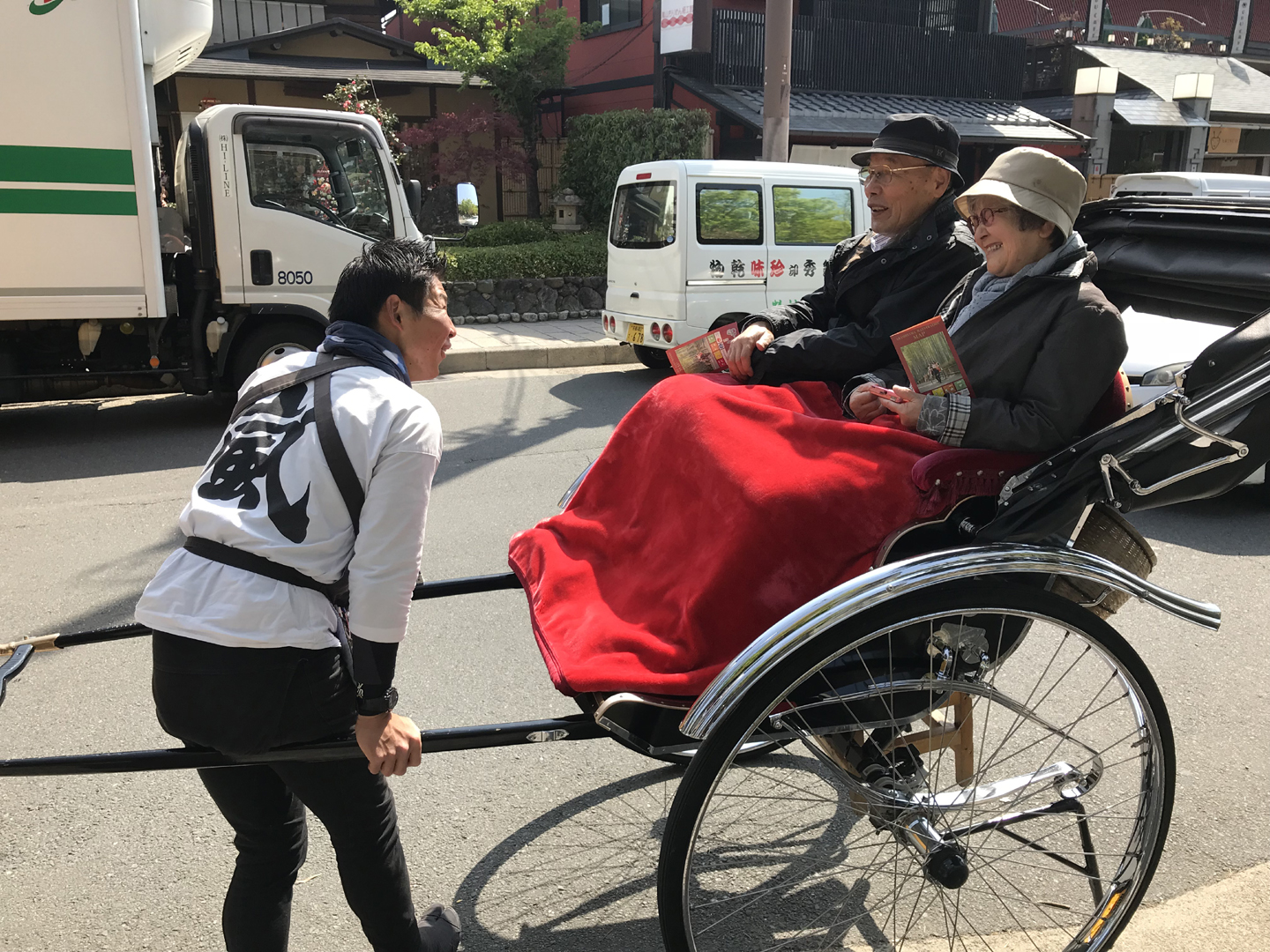
H1: Xe kéo cho các du khách đi dọc Độ Giang Kiều tới Thiên Long Tự ở vùng núi Arashiyama, Kyoto.
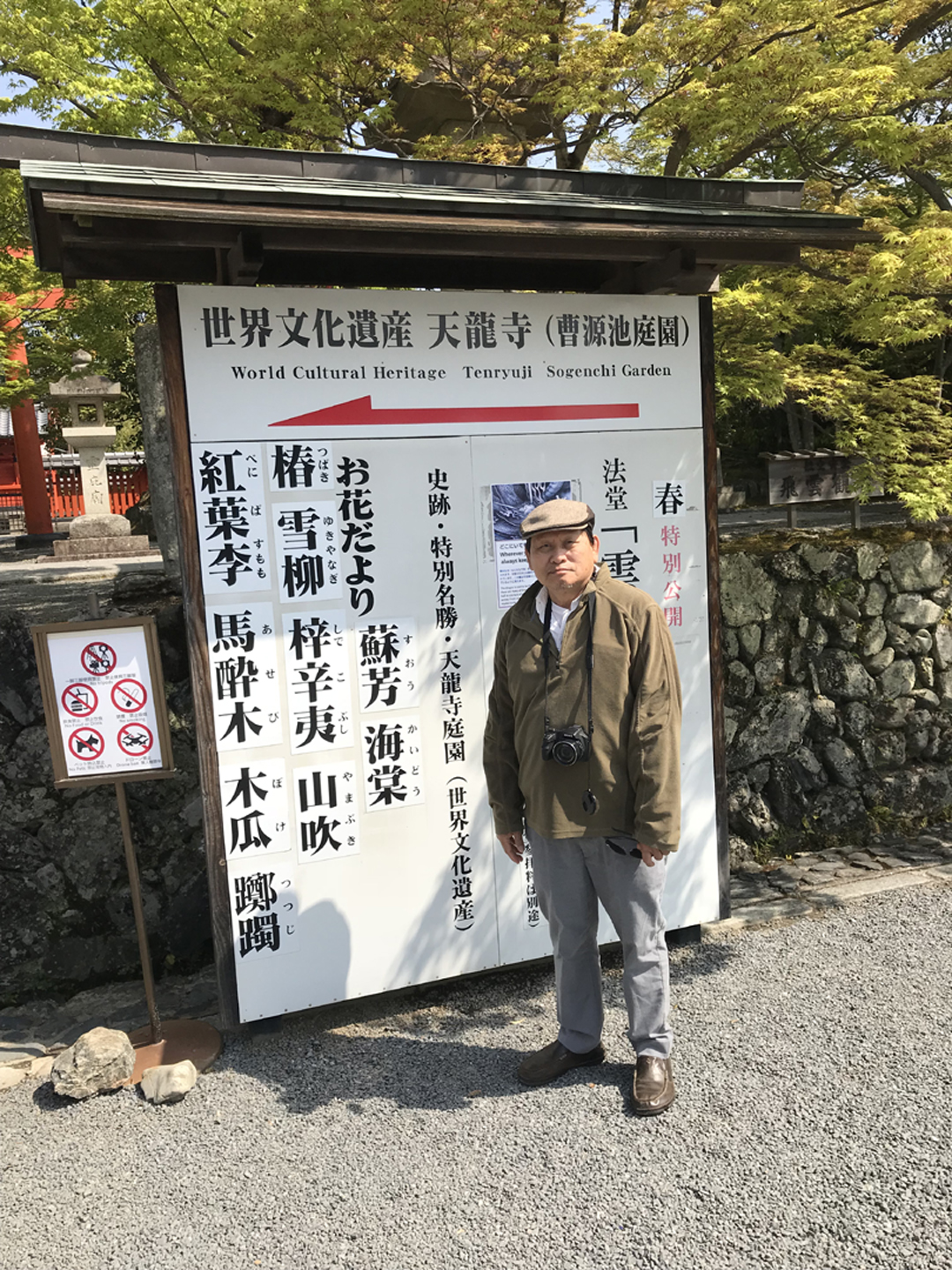
H2: Nơi vào cổng Thiên Long Tự, bản doanh Lâm Tế Tông.
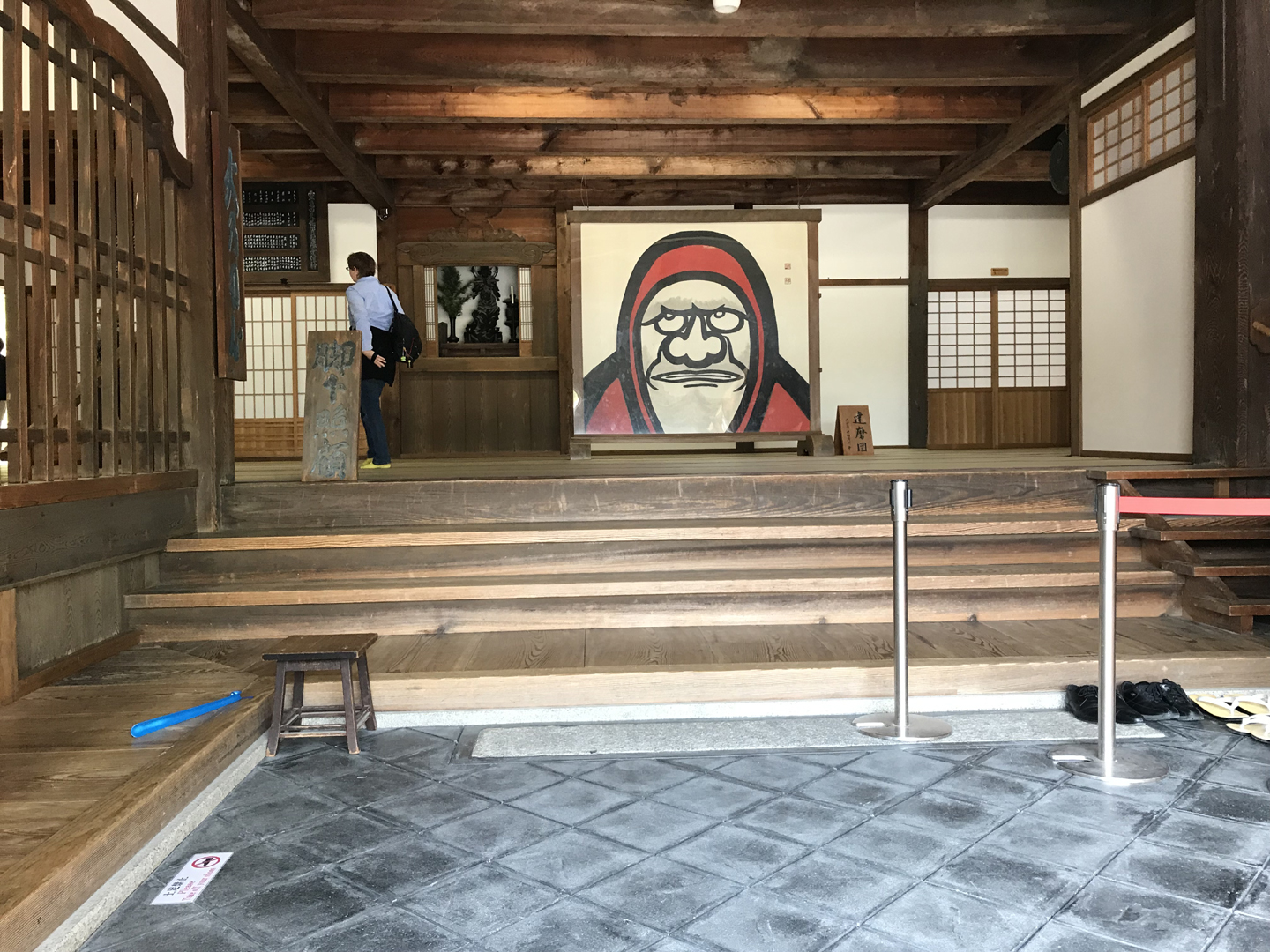
H3: Nhìn vào Thiên Long Tự là tấm tranh Bồ Đề Đạt Ma khổng lồ, muốn vào xem phải mua vé.
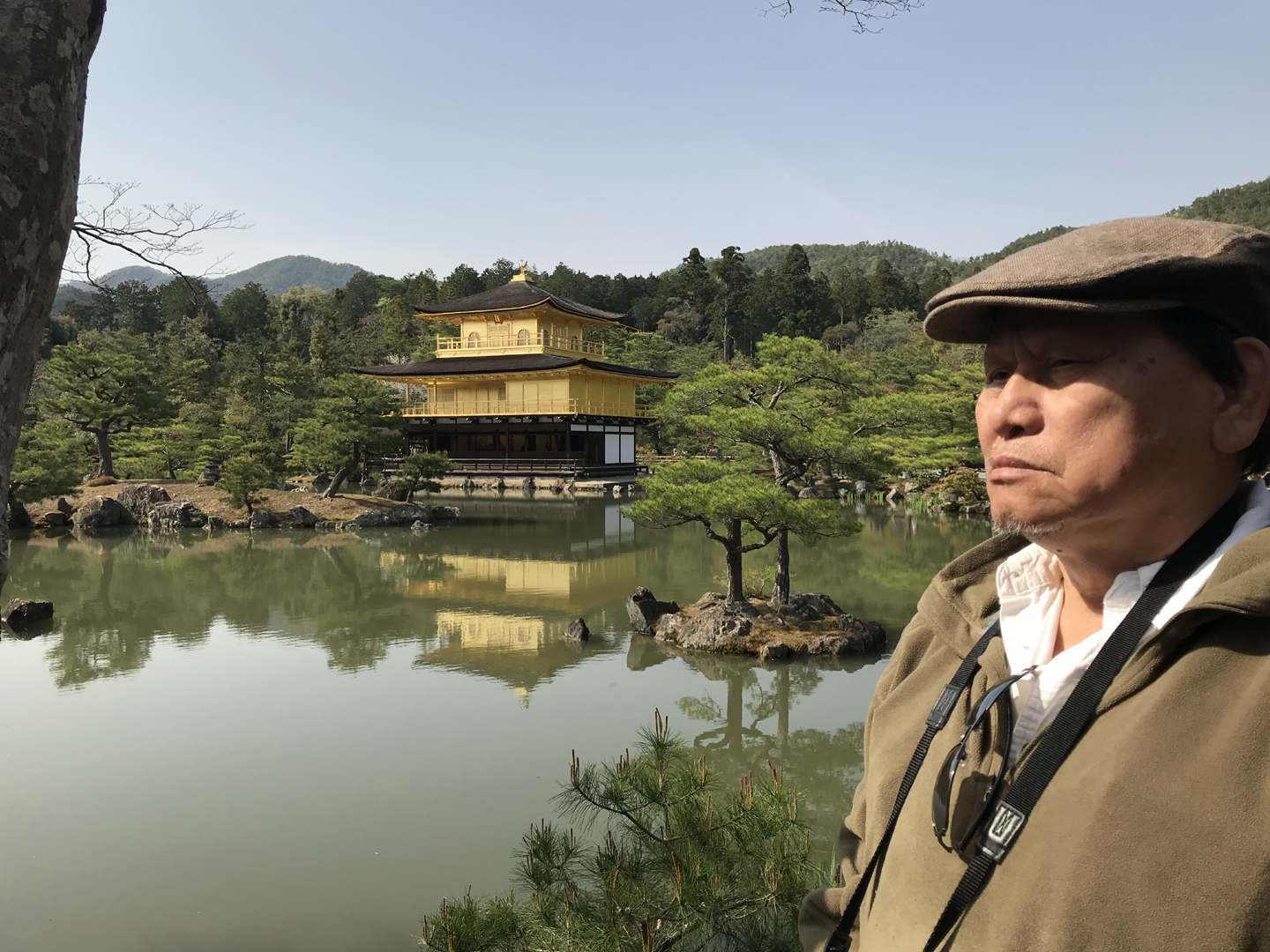
H4: Kim Các Tự ở Kyoto.
DO NXB LIÊN PHẬT HỘI PHÁT HÀNH




Mua sách qua Amazon sẽ được gửi đến tận nhà - trên toàn nước Mỹ, Canada, Âu châu và Úc châu.
Quý vị đang truy cập từ IP 216.73.216.61 và chưa ghi danh hoặc đăng nhập trên máy tính này. Nếu là thành viên, quý vị chỉ cần đăng nhập một lần duy nhất trên thiết bị truy cập, bằng email và mật khẩu đã chọn.
Chúng tôi khuyến khích việc ghi danh thành viên ,để thuận tiện trong việc chia sẻ thông tin, chia sẻ kinh nghiệm sống giữa các thành viên, đồng thời quý vị cũng sẽ nhận được sự hỗ trợ kỹ thuật từ Ban Quản Trị trong quá trình sử dụng website này.
Việc ghi danh là hoàn toàn miễn phí và tự nguyện.
Ghi danh hoặc đăng nhập
 Viên Hiếu Thành Huệ Lộc 1959 Bữu Phước Chúc Huy Minh Pháp Tự minh hung thich Diệu Âm Phúc Thành Phan Huy Triều Phạm Thiên Trương Quang Quý Johny Dinhvinh1964 Pascal Bui Vạn Phúc Giác Quý Trần Thị Huyền Chanhniem Forever NGUYỄN TRỌNG TÀI KỲ Dương Ngọc Cường Mr. Device Tri Huynh Thích Nguyên Mạnh Thích Quảng Ba T TH Tam Thien Tam Nguyễn Sĩ Long caokiem hoangquycong Lãn Tử Ton That Nguyen ngtieudao Lê Quốc Việt Du Miên Quang-Tu Vu phamthanh210 An Khang 63 zeus7777 Trương Ngọc Trân Diệu Tiến ... ...
  Người Phật Tử Śrī Lanka Chiến Thắng Sự Cải Đạo Như Thế Nào
 Nét đẹp trì bình khất thực trên đất Thái Lan
 CHẾ ĐỘ ĂN UỐNG