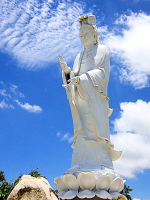
Kẻ làm điều ác là tự chuốc lấy việc dữ cho mình.Kinh Bốn mươi hai chương

Lời nói được thận trọng, tâm tư khéo hộ phòng, thân chớ làm điều ác, hãy giữ ba nghiệp tịnh, chứng đạo thánh nhân dạyKinh Pháp Cú (Kệ số 281)
Chớ khinh tội nhỏ, cho rằng không hại; giọt nước tuy nhỏ, dần đầy hồ to! (Do not belittle any small evil and say that no ill comes about therefrom. Small is a drop of water, yet it fills a big vessel.)Kinh Đại Bát Niết-bàn
Dễ thay thấy lỗi người, lỗi mình thấy mới khó.Kinh Pháp cú (Kệ số 252)
Bậc trí bảo vệ thân, bảo vệ luôn lời nói, bảo vệ cả tâm tư, ba nghiệp khéo bảo vệ.Kinh Pháp Cú (Kệ số 234)
Nhẫn nhục có nhiều sức mạnh vì chẳng mang lòng hung dữ, lại thêm được an lành, khỏe mạnh.Kinh Bốn mươi hai chương
Người hiền lìa bỏ không bàn đến những điều tham dục.Kẻ trí không còn niệm mừng lo, nên chẳng bị lay động vì sự khổ hay vui.Kinh Pháp cú (Kệ số 83)
Khi ăn uống nên xem như dùng thuốc để trị bệnh, dù ngon dù dở cũng chỉ dùng đúng mức, đưa vào thân thể chỉ để khỏi đói khát mà thôi.Kinh Lời dạy cuối cùng
Người trí dù khoảnh khắc kề cận bậc hiền minh, cũng hiểu ngay lý pháp, như lưỡi nếm vị canh.Kinh Pháp Cú - Kệ số 65
Kẻ không biết đủ, tuy giàu mà nghèo. Người biết đủ, tuy nghèo mà giàu. Kinh Lời dạy cuối cùng
Nên biết rằng tâm nóng giận còn hơn cả lửa dữ, phải thường phòng hộ không để cho nhập vào. Giặc cướp công đức không gì hơn tâm nóng giận.Kinh Lời dạy cuối cùng

Trang chủ »» Kinh Nam truyền »» English Sutra Collection »» Adittapariyana Sutta (The Fire Sermon) »»

English Sutra Collection »» Adittapariyana Sutta (The Fire Sermon)

Mục lục Kinh điển Nam truyền   English Sutra Collection

Translated by: Unknown

Font chữ:

Đại Tạng Kinh Việt Nam Thus have I heard:
The Blessed One was once living at Gayaslsa in Gaya with a thousand Bhikkhus.
There he addressed the Bhikkhus: Bhikkhus, all is burning.
And what is all that is burning? Bhikkhus, the eye is burning, visible forms are burning, visual consciousness is burning, visual impression is burning, also whatever sensation, pleasant or painful or neither painful, nor pleasant, arises on account of the visual impression, that too is burning. Burning with what? Burning with the fire of craving, with the fire of hate, with the fire of delusion; I say it is burning with birth, aging and death, with sorrows, with lamentations, with pains, with grief’s, and with despairs.
The ear is burning, sounds are burning, auditory consciousness is burning, auditory impression is burning, also whatever sensation, pleasant or painful or neither painful nor pleasant, arises on account of the auditory impression, that too is burning. Burning with what? Burning with the fire of craving...
The nose is burning, odors are burning, olfactory consciousness is burning, olfactory impression is burning, also whatever sensation, pleasant or painful, or neither painful nor pleasant, arises on account of the olfactory impression, that too is burning. Burning with what? Burning with the fire of craving...
The tongue is burning, favors are burning, gustative consciousness is burning, gustative impression is burning, also whatever sensation, pleasant or painful or neither painful nor pleasant, arises on account of the gustative impression, that too is burning. Burning with what? Burning with the fire of craving...
The body is burning, tangible things are burning, tactile consciousness is burning, tactile impression is burning, also whatever sensation, pleasant or painful or neither painful nor pleasant, arises on account of the tactile sensation, that too is burning. Burning with what? Burning with the fire of craving...
The mind is burning, mental objects (ideas, etc.) are burning, mental consciousness is burning, mental impression is burning, also whatever sensation, pleasant o painful or neither painful nor pleasant, arises on account of the mental impression is burning. Burning with what? Burning with the fire of craving, with the fire of hate, with the fire of delusion; I say it is burning with birth, aging and death, with sorrows, with lamentations, with pains, with grief’s, and with despairs.
Bhikkhus, a learned and noble disciple, who sees things thus, becomes dispassionate with regard to the eye, becomes dispassionate with regard to visible forms, becomes dispassionate with regard to the visual consciousness, becomes dispassionate with regard to the visual impression, also whatever sensation, pleasant or painful or neither painful nor pleasant, arises on account of the visual impression, with regard to that too he becomes dispassionate.
He becomes dispassionate with regard to the ear, with regard to sounds...
He becomes dispassionate with regard to the nose... with regard to odors...
He becomes dispassionate with regard to the tongue...with regard to favors....
He becomes dispassionate with regard to the body... with regard to tangible things...
He becomes dispassionate with regard to the mind... with regard to mental consciousness, becomes dispassionate with regard to mental impression, also whatever sensation, pleasant or painful or neither painful nor pleasant, arises on account of mental impression, with regard to that too he becomes dispassionate.
Being dispassionate, he becomes detached; through detachment he is liberated. When liberated there is knowledge that he is liberated. And he knows: Birth is exhausted, the holy life has been lived, what has to be done is done, there is no more left to be done on this account.
This the Blessed One said. The Bhikkhus were glad, and they rejoiced at his words. While this exposition was being delivered, the minds of those thousand Bhikkhus were liberated from impurities, without attachment.

_______________

TỪ ĐIỂN HỮU ÍCH CHO NGƯỜI HỌC TIẾNG ANH

DO NXB LIÊN PHẬT HỘI PHÁT HÀNH


BẢN BÌA CỨNG (HARDCOVER)
1200 trang - 54.99 USD


BẢN BÌA THƯỜNG (PAPERBACK)
1200 trang - 45.99 USD


BẢN BÌA CỨNG (HARDCOVER)
728 trang - 29.99 USD


BẢN BÌA THƯỜNG (PAPERBACK)
728 trang - 22.99 USD

Mua sách qua Amazon sẽ được gửi đến tận nhà - trên toàn nước Mỹ, Canada, Âu châu và Úc châu.

XEM TRANG GIỚI THIỆU.

Tiếp tục nghe? 🎧

Bạn có muốn nghe tiếp từ phân đoạn đã dừng không?


Quý vị đang truy cập từ IP 216.73.216.154 và chưa ghi danh hoặc đăng nhập trên máy tính này. Nếu là thành viên, quý vị chỉ cần đăng nhập một lần duy nhất trên thiết bị truy cập, bằng email và mật khẩu đã chọn.
Chúng tôi khuyến khích việc ghi danh thành viên ,để thuận tiện trong việc chia sẻ thông tin, chia sẻ kinh nghiệm sống giữa các thành viên, đồng thời quý vị cũng sẽ nhận được sự hỗ trợ kỹ thuật từ Ban Quản Trị trong quá trình sử dụng website này.
Việc ghi danh là hoàn toàn miễn phí và tự nguyện.

Ghi danh hoặc đăng nhập

Thành viên đang online:
Rộng Mở Tâm Hồn Viên Hiếu Thành Rộng Mở Tâm Hồn Huệ Lộc 1959 Rộng Mở Tâm Hồn Bữu Phước Rộng Mở Tâm Hồn Chúc Huy Rộng Mở Tâm Hồn Minh Pháp Tự Rộng Mở Tâm Hồn minh hung thich Rộng Mở Tâm Hồn Diệu Âm Phúc Thành Rộng Mở Tâm Hồn Phan Huy Triều Rộng Mở Tâm Hồn Phạm Thiên Rộng Mở Tâm Hồn Trương Quang Quý Rộng Mở Tâm Hồn Johny Rộng Mở Tâm Hồn Dinhvinh1964 Rộng Mở Tâm Hồn Pascal Bui Rộng Mở Tâm Hồn Vạn Phúc Rộng Mở Tâm Hồn Giác Quý Rộng Mở Tâm Hồn Trần Thị Huyền Rộng Mở Tâm Hồn Chanhniem Forever Rộng Mở Tâm Hồn NGUYỄN TRỌNG TÀI Rộng Mở Tâm Hồn KỲ Rộng Mở Tâm Hồn Dương Ngọc Cường Rộng Mở Tâm Hồn Mr. Device Rộng Mở Tâm Hồn Tri Huynh Rộng Mở Tâm Hồn Thích Nguyên Mạnh Rộng Mở Tâm Hồn Thích Quảng Ba Rộng Mở Tâm Hồn T TH Rộng Mở Tâm Hồn Tam Thien Tam Rộng Mở Tâm Hồn Nguyễn Sĩ Long Rộng Mở Tâm Hồn caokiem Rộng Mở Tâm Hồn hoangquycong Rộng Mở Tâm Hồn Lãn Tử Rộng Mở Tâm Hồn Ton That Nguyen Rộng Mở Tâm Hồn ngtieudao Rộng Mở Tâm Hồn Lê Quốc Việt Rộng Mở Tâm Hồn Du Miên Rộng Mở Tâm Hồn Quang-Tu Vu Rộng Mở Tâm Hồn phamthanh210 Rộng Mở Tâm Hồn An Khang 63 Rộng Mở Tâm Hồn zeus7777 Rộng Mở Tâm Hồn Trương Ngọc Trân Rộng Mở Tâm Hồn Diệu Tiến ... ...

... ...