Điều kiện duy nhất để cái ác ngự trị chính là khi những người tốt không làm gì cả. (The only thing necessary for the triumph of evil is for good men to do nothing.)Edmund Burke


Người nhiều lòng tham giống như cầm đuốc đi ngược gió, thế nào cũng bị lửa táp vào tay. Kinh Bốn mươi hai chương
Hoàn cảnh không quyết định nơi bạn đi đến mà chỉ xác định nơi bạn khởi đầu. (Your present circumstances don't determine where you can go; they merely determine where you start.)Nido Qubein
Chúng ta nhất thiết phải làm cho thế giới này trở nên trung thực trước khi có thể dạy dỗ con cháu ta rằng trung thực là đức tính tốt nhất. (We must make the world honest before we can honestly say to our children that honesty is the best policy. )Walter Besant
Nỗ lực mang đến hạnh phúc cho người khác sẽ nâng cao chính bản thân ta. (An effort made for the happiness of others lifts above ourselves.)Lydia M. Child
Con người chỉ mất ba năm để biết nói nhưng phải mất sáu mươi năm hoặc nhiều hơn để biết im lặng.Rộng Mở Tâm Hồn
Nếu chúng ta luôn giúp đỡ lẫn nhau, sẽ không ai còn cần đến vận may. (If we always helped one another, no one would need luck.)Sophocles
Chúng ta không có khả năng giúp đỡ tất cả mọi người, nhưng mỗi người trong chúng ta đều có thể giúp đỡ một ai đó. (We can't help everyone, but everyone can help someone.)Ronald Reagan
Quy luật của cuộc sống là luôn thay đổi. Những ai chỉ mãi nhìn về quá khứ hay bám víu vào hiện tại chắc chắn sẽ bỏ lỡ tương lai. (Change is the law of life. And those who look only to the past or present are certain to miss the future.)John F. Kennedy
Ta sẽ có được sức mạnh của sự cám dỗ mà ta cưỡng lại được. (We gain the strength of the temptation we resist.)Ralph Waldo Emerson
Người thực hành ít ham muốn thì lòng được thản nhiên, không phải lo sợ chi cả, cho dù gặp việc thế nào cũng tự thấy đầy đủ.Kinh Lời dạy cuối cùng
 Trang chủ
- Danh mục
- Từ điển Hán Anh
- Đang xem mục từ: do tuần - 由旬
Trang chủ »» Danh mục »» Từ điển Hán Anh »» Đang xem mục từ: do tuần - 由旬 »»
Từ điển Hán Anh »» Đang xem mục từ: do tuần - 由旬
Quý vị có thể nhập âm Hán-Việt hoặc copy chữ Hán dán vào
Kết quả tra từ:
- do tuần :
由旬 - [py] yóuxún [wg] yu-hsün [ko] 유순 yusun [ja] ユジュン yujun ||| A transliteration of the Sanskrit yojana, an Indian measure of distance. Depending upon the source, either seven or nine miles, the distance appropriate for one day's travel for an emperor. According to A.L. Basham, in his The Wonder that was India:
"The commonest table [of measurements], omitting microscopic measurements was:
8 yava (barleycorns) = 1 angula (finger's breadth, 3/4 of an inch)
12 angulas = 1 vitasti (span, 9 inches)
2 vitastis = 1 hasta or aratni (cubit, 18 inches)
4 hastas = 1 da.n.da (rod) or dhanus (bow, 6 feet)
2,000 dhanus = 1 kro'sa (cry) or goruta (cow-call, 2 1/4 miles)
4 kro'sas = 1 yojana (stage, 9 miles approximately)
"Though most sources give the krośa (in modern Indian languages kos) as of 2,000 daṇḍas the Arthaśāstra gives it as only 1,000, the yojana, which was the commonest measure of long distances in ancient India, being thus of only 4 1/2 miles. It is therefore clear that there were at least two yojanas, and distances as given in texts are thus very unreliable. It would seem that for practical purposes the shorter yojana was more often used than the longer, especially in earlier times." [from an e-mail post on Buddha-L by Joseph Crea]
[Dictionary References] Naka1378c Iwa814 [Credit] cmuller jc(entry) cwittern(py)
(Digital Dictionary of Buddhism - A. Charles Muller)
TỪ ĐIỂN HỮU ÍCH CHO NGƯỜI HỌC TIẾNG ANH
DO NXB LIÊN PHẬT HỘI PHÁT HÀNH
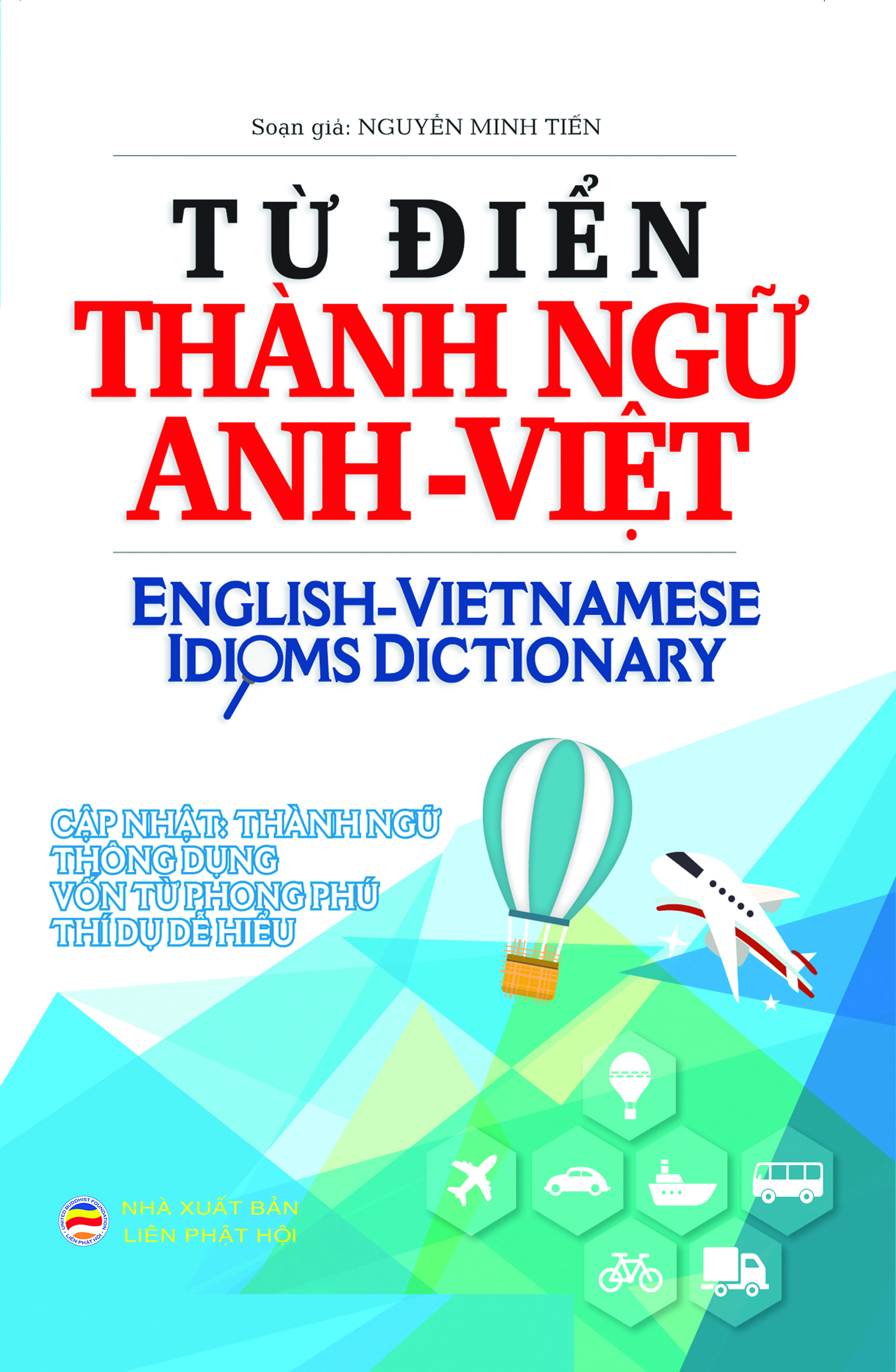

BẢN BÌA CỨNG (HARDCOVER)
1200 trang - 54.99 USD

BẢN BÌA THƯỜNG (PAPERBACK)
1200 trang - 45.99 USD


BẢN BÌA CỨNG (HARDCOVER)
728 trang - 29.99 USD

BẢN BÌA THƯỜNG (PAPERBACK)
728 trang - 22.99 USD
Mua sách qua Amazon sẽ được gửi đến tận nhà - trên toàn nước Mỹ, Canada, Âu châu và Úc châu.
Quý vị đang truy cập từ IP 216.73.216.34 và chưa ghi danh hoặc đăng nhập trên máy tính này. Nếu là thành viên, quý vị chỉ cần đăng nhập một lần duy nhất trên thiết bị truy cập, bằng email và mật khẩu đã chọn.
Chúng tôi khuyến khích việc ghi danh thành viên ,để thuận tiện trong việc chia sẻ thông tin, chia sẻ kinh nghiệm sống giữa các thành viên, đồng thời quý vị cũng sẽ nhận được sự hỗ trợ kỹ thuật từ Ban Quản Trị trong quá trình sử dụng website này.
Việc ghi danh là hoàn toàn miễn phí và tự nguyện.
Ghi danh hoặc đăng nhập
 Viên Hiếu Thành Huệ Lộc 1959 Bữu Phước Chúc Huy Minh Pháp Tự minh hung thich Diệu Âm Phúc Thành Phan Huy Triều Phạm Thiên Trương Quang Quý Johny Dinhvinh1964 Pascal Bui Vạn Phúc Giác Quý Trần Thị Huyền Chanhniem Forever NGUYỄN TRỌNG TÀI KỲ Dương Ngọc Cường Mr. Device Tri Huynh Thích Nguyên Mạnh Thích Quảng Ba T TH Tam Thien Tam Nguyễn Sĩ Long caokiem hoangquycong Lãn Tử Ton That Nguyen ngtieudao Lê Quốc Việt Du Miên Quang-Tu Vu phamthanh210 An Khang 63 zeus7777 Trương Ngọc Trân Diệu Tiến ... ...
 ... ...