Nếu muốn đi nhanh, hãy đi một mình. Nếu muốn đi xa, hãy đi cùng người khác. (If you want to go fast, go alone. If you want to go far, go together.)Ngạn ngữ Châu Phi
Người ta vì ái dục sinh ra lo nghĩ; vì lo nghĩ sinh ra sợ sệt. Nếu lìa khỏi ái dục thì còn chi phải lo, còn chi phải sợ?Kinh Bốn mươi hai chương
Kẻ làm điều ác là tự chuốc lấy việc dữ cho mình.Kinh Bốn mươi hai chương
Việc người khác ca ngợi bạn quá hơn sự thật tự nó không gây hại, nhưng thường sẽ khiến cho bạn tự nghĩ về mình quá hơn sự thật, và đó là khi tai họa bắt đầu.Rộng Mở Tâm Hồn
Một người chưa từng mắc lỗi là chưa từng thử qua bất cứ điều gì mới mẻ. (A person who never made a mistake never tried anything new.)Albert Einstein
Chúng ta không có khả năng giúp đỡ tất cả mọi người, nhưng mỗi người trong chúng ta đều có thể giúp đỡ một ai đó. (We can't help everyone, but everyone can help someone.)Ronald Reagan
Nhiệm vụ của con người chúng ta là phải tự giải thoát chính mình bằng cách mở rộng tình thương đến với muôn loài cũng như toàn bộ thiên nhiên tươi đẹp. (Our task must be to free ourselves by widening our circle of compassion to embrace all living creatures and the whole of nature and its beauty.)Albert Einstein
Cách tốt nhất để tìm thấy chính mình là quên mình để phụng sự người khác. (The best way to find yourself is to lose yourself in the service of others. )Mahatma Gandhi
Người ta có hai cách để học hỏi. Một là đọc sách và hai là gần gũi với những người khôn ngoan hơn mình. (A man only learns in two ways, one by reading, and the other by association with smarter people.)Will Rogers
Giữ tâm thanh tịnh, ý chí vững bền thì có thể hiểu thấu lẽ đạo, như lau chùi tấm gương sạch hết dơ bẩn, tự nhiên được sáng trong.Kinh Bốn mươi hai chương
Trong sự tu tập nhẫn nhục, kẻ oán thù là người thầy tốt nhất của ta. (In the practice of tolerance, one's enemy is the best teacher.)Đức Đạt-lai Lạt-ma XIV
 Trang chủ
Trang chủ »» Danh mục »» TỦ SÁCH RỘNG MỞ TÂM HỒN »» none »» How to practice walking meditation? »»
 Xem Mục lục
Vietnamese || Đối chiếu song ngữ
Xem Mục lục
Vietnamese || Đối chiếu song ngữ


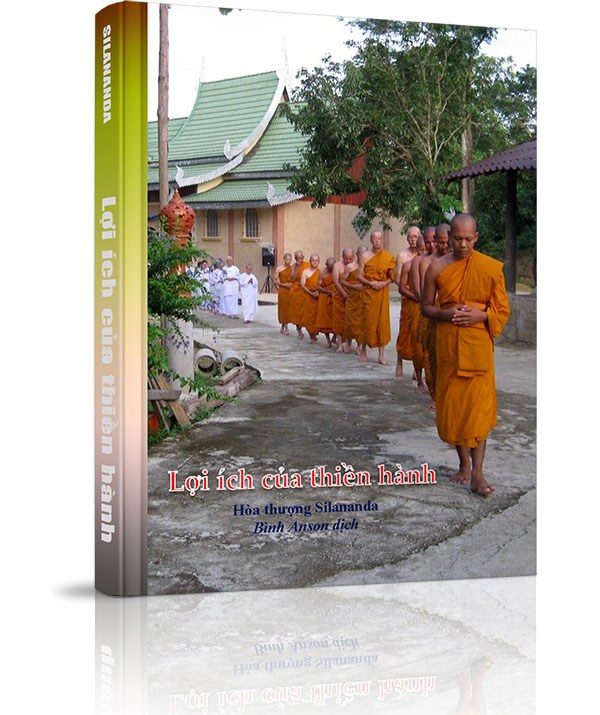
DO NXB LIÊN PHẬT HỘI PHÁT HÀNH





Mua sách qua Amazon sẽ được gửi đến tận nhà - trên toàn nước Mỹ, Canada, Âu châu và Úc châu.
Quý vị đang truy cập từ IP 216.73.216.213 và chưa ghi danh hoặc đăng nhập trên máy tính này. Nếu là thành viên, quý vị chỉ cần đăng nhập một lần duy nhất trên thiết bị truy cập, bằng email và mật khẩu đã chọn.
Chúng tôi khuyến khích việc ghi danh thành viên ,để thuận tiện trong việc chia sẻ thông tin, chia sẻ kinh nghiệm sống giữa các thành viên, đồng thời quý vị cũng sẽ nhận được sự hỗ trợ kỹ thuật từ Ban Quản Trị trong quá trình sử dụng website này.
Việc ghi danh là hoàn toàn miễn phí và tự nguyện.
Ghi danh hoặc đăng nhập
 Viên Hiếu Thành Huệ Lộc 1959 Bữu Phước Chúc Huy Minh Pháp Tự minh hung thich Diệu Âm Phúc Thành Phan Huy Triều Phạm Thiên Trương Quang Quý Johny Dinhvinh1964 Pascal Bui Vạn Phúc Giác Quý Trần Thị Huyền Chanhniem Forever NGUYỄN TRỌNG TÀI KỲ Dương Ngọc Cường Mr. Device Tri Huynh Thích Nguyên Mạnh Thích Quảng Ba T TH Tam Thien Tam Nguyễn Sĩ Long caokiem hoangquycong Lãn Tử Ton That Nguyen ngtieudao Lê Quốc Việt Du Miên Quang-Tu Vu phamthanh210 An Khang 63 zeus7777 Trương Ngọc Trân Diệu Tiến ... ...
  Chương 7: Những Việc Cần Làm Với Tâm
 Lời nói đầu
 23.ĐAU KHỚP
 45. Bà Trần Thị Cẩm Vân (1972 - 2008)
 Vũ vô kiềm tỏa năng lưu khách
 Chương Tám: Ngồi thiền
 LỜI GIỚI THIỆU
 ĐỨC PHẬT VÀ GIÁO LÝ GIẢI THOÁT